What constitutes “realistic training”? Ask half a dozen instructors this question and I’ll give you even odds that you will receive six different answers.
To me, realistic training is acquiring, and then perfecting, skill sets that are unique to your perceived needs.
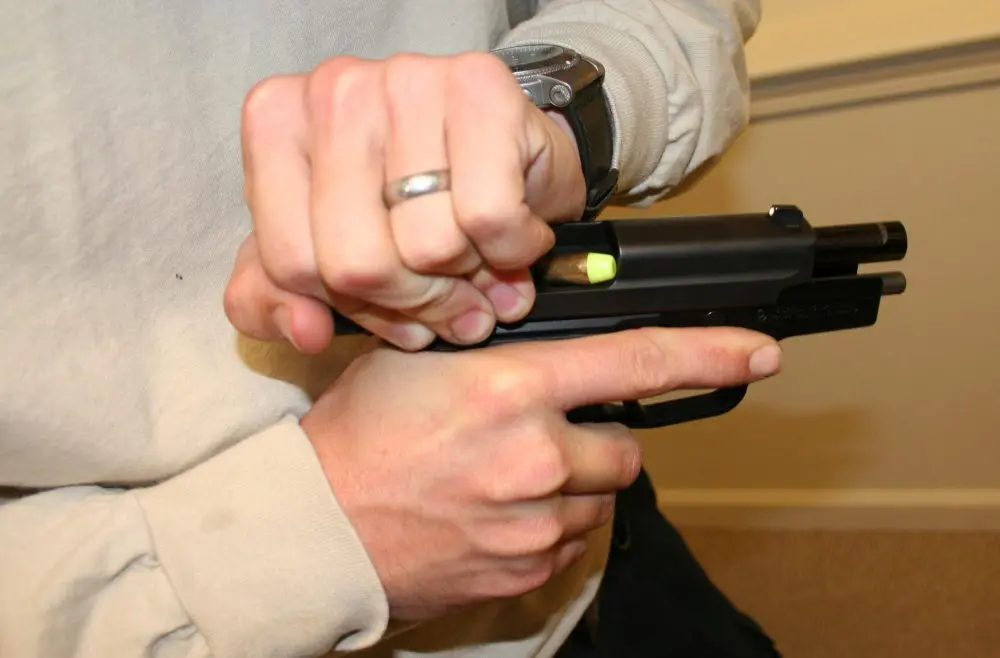
For example, in the last four pistol courses I have attended, the majority of my fellow students were private citizens. While most of them carried their firearm concealed every day, not a single student—with the exception of myself—had worked from concealment.
Although rare, I have seen peace officers attend handgun courses using holsters with no security devices and open-topped magazine pouches, while their duty gear consists of a Level III security holster and mag pouches with snap-closed flaps.
To me, attending training or practicing with the gear used every day is a chance to blow a drawstoke or make a less than perfect shot while under the pressure of keeping up with the rest of the class. In short, it is a training opportunity. The chance to learn from the mistake, whether it was made by attempting to go too fast or due to a poorly performed technique, should not be taken for granted.
For carbine or shotgun courses, it is impractical to wear one’s normal load-out gear.
When not attending a training course, if I have taken a carbine with me, for whatever reason, I wear a single magazine pouch. If I have a shotgun, it is generally equipped with a SideSaddle with spare ammo. However, neither the SideSaddle nor one spare mag is enough to keep pace in a moderate to high round count course.
In a carbine course, I wear a single magazine pouch augmented by a chest rig with spare magazines. In a shotgun course, I have a dump pouch with extra ammo in addition to the SideSaddle. To make my training gear mimic my normal carry practices, I perform speed or tactical reloads for my carbine from the single pouch and replenish that pouch with mags from the chest rig whenever possible. Ditto for the shotgun SideSaddle/dump pouch set up.
If your job or mission requires you to wear a thigh rig and/or a load-bearing rig with armor, by all means train and practice in it. If you own them only for the express reason of taking a course with them, however, my personal thinking is that they are better off left at home.
We all like high-speed, low-drag gear—in fact I have several boxes full of it. But if you don’t have to wear it all the time or practice in a way you don’t carry, when push comes to shove, high speed, low drag may very well become high drag, low speed.
Until next time, stay low and watch your back.